
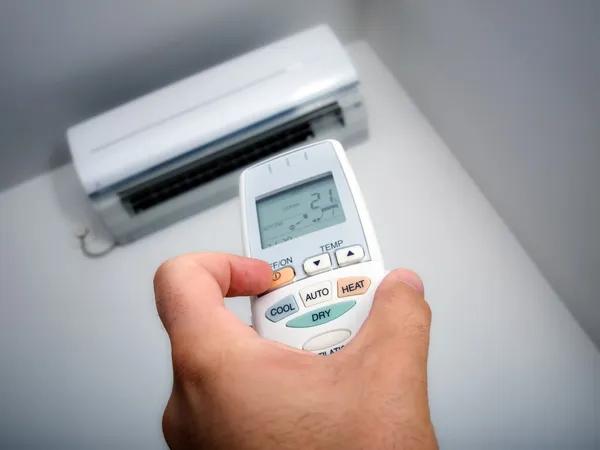
Modern homes require efficient heating and cooling solutions to maintain comfortable living environments while managing energy consumption effectively. Advances in technology have made it possible to integrate systems that not only regulate temperature but also improve indoor air quality and reduce utility costs. One of the most popular options for contemporary residences is the heat pump, which provides both heating and cooling by transferring heat between indoor and outdoor spaces. Heat pumps are highly energy-efficient because they move heat rather than generate it through combustion, making them an environmentally friendly alternative to traditional furnaces or air conditioners.
Another key innovation in home climate control is the use of smart thermostats. These devices allow homeowners to program temperature settings remotely via smartphones or other connected devices, enabling precise control over Phoenix Heating and Cooling schedules. Smart thermostats can learn occupants’ habits over time, optimizing system performance without sacrificing comfort. This adaptability contributes significantly to lowering energy bills by avoiding unnecessary operation when rooms are unoccupied.
In addition to equipment upgrades, proper insulation plays a crucial role in enhancing the effectiveness of any heating or cooling system. Well-insulated walls, roofs, and windows prevent unwanted heat loss during winter months and keep interiors cooler during summer. Modern materials such as spray foam insulation or double-glazed windows provide superior thermal barriers compared to older construction techniques. Sealing gaps around doors and vents further reduces drafts that compromise indoor temperatures.
For homes seeking sustainable alternatives, solar-powered HVAC units offer promising benefits by harnessing renewable energy from sunlight to operate heating and cooling functions with minimal reliance on grid electricity. Although initial installation costs may be higher than conventional systems, long-term savings on energy expenses often justify this investment while reducing carbon footprints.
Ventilation is another important aspect of maintaining healthy indoor climates alongside temperature regulation. Energy Recovery Ventilators (ERVs) exchange stale indoor air with fresh outside air while retaining heat or coolness depending on the season’s demands. This process helps control humidity levels and prevents buildup of pollutants without wasting conditioned air.
Ultimately, selecting appropriate heating and cooling solutions depends on factors such as local climate conditions, home size, budget constraints, and personal preferences regarding environmental impact. Consulting with HVAC professionals ensures tailored recommendations based on specific needs rather than one-size-fits-all approaches.