
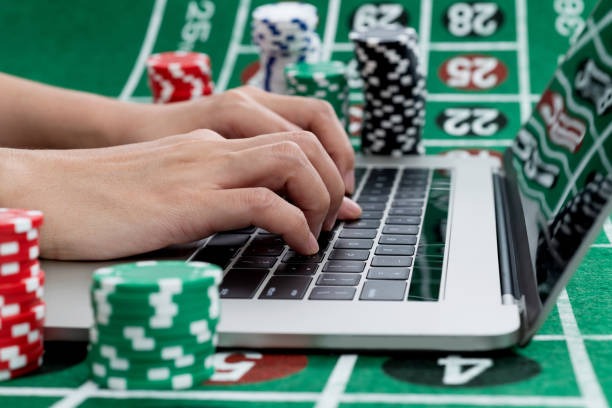
In recent years, the popularity of online casinos in France has surged significantly, offering players a convenient and exciting way to enjoy gambling from the comfort of their homes. With this growth, it has become increasingly important for players to identify legal online casino sites that operate within the framework of French law and provide verified fairness. The French government regulates online gambling through the Autorité Nationale des Jeux (ANJ), which ensures that licensed operators adhere to strict standards designed to protect consumers and promote responsible gaming.
Legal online casino sites in France must obtain a license from ANJ before they can offer their services to French residents. This licensing process involves rigorous checks on the operator’s financial stability, security measures, and fairness protocols. Only those operators who meet these stringent requirements are allowed to legally advertise and provide gambling products such as poker, sports betting, horse racing betting, and casino games like slots or table games. Players should always verify whether an online casino holds a valid ANJ license by checking the official list available on the regulator’s website.
One crucial aspect that differentiates trustworthy online casinos is verified fairness. Fairness refers to how random and unbiased game outcomes are generated during play. In traditional brick-and-mortar casinos, physical equipment like shuffled cards or spinning wheels ensure randomness; however, digital platforms rely heavily on software algorithms known as Random Number Generators (RNGs). These RNGs produce unpredictable sequences used to determine results in slot machines or card deals in poker games.
To guarantee fairness at legal French online casinos, independent testing laboratories audit their RNG systems regularly. Renowned agencies such as eCOGRA (eCommerce Online Gaming Regulation and Assurance), iTech Labs, or GLI (Gaming Laboratories International) perform extensive evaluations by running thousands of simulations under controlled conditions to confirm that outcomes are genuinely random and not manipulated in favor of either party-player or operator. Casinos displaying certificates from these auditors demonstrate transparency about their commitment to fair play.
Moreover, licensed operators must comply with strict rules regarding payout percentages or Return To Player (RTP) rates set forth by ANJ regulations. RTP represents the average amount returned over time relative to wagers placed; for example, an RTP of 96% means that statistically players receive back €96 for every €100 bet over many rounds played. While RTP does not guarantee individual wins due to variance inherent in chance-based games, it helps assure users that odds are balanced fairly according to industry standards.
Players seeking legal and fair online casino en ligne france légal should also consider additional factors beyond licensing and verification certificates when choosing where to play. User reviews can offer insights into customer service quality, withdrawal speed processes, game variety offered by reputable software providers like NetEnt or Microgaming-and overall site usability including mobile compatibility if playing on smartphones is preferred.
Responsible gaming features form another vital component promoted by regulated platforms operating under ANJ oversight. These include deposit limits settings allowing users control over spending habits; self-exclusion options enabling temporary breaks from gambling; reality checks reminding players about session duration; plus access links directing users toward professional help organizations specializing in problem gambling support services within France.
In conclusion, selecting legal online casino sites with verified fairness in France requires careful consideration primarily focused on regulatory compliance evidenced through valid ANJ licenses combined with certifications from independent testing labs confirming RNG integrity alongside transparent RTP disclosures aligned with national guidelines.